Lawn Fertilization Services Homestead FL
Impress from the Outside! Your Perfect Lawn is Just a Quote Away
lawn fertilization
A green lawn in Homestead requires regular feeding. The soil here is sandy and low in nutrients. Rain washes away nitrogen quickly. Without fertilization, grass turns yellow, grows slowly, and allows weeds to take over.
This page explains how lawn fertilization works for Homestead properties. It covers fertilizer types, application timing, and what to expect from a professional service.
Request A Quote
Fill out the form and we’ll be in touch soon!
What Lawn Fertilization Does for Homestead Grass
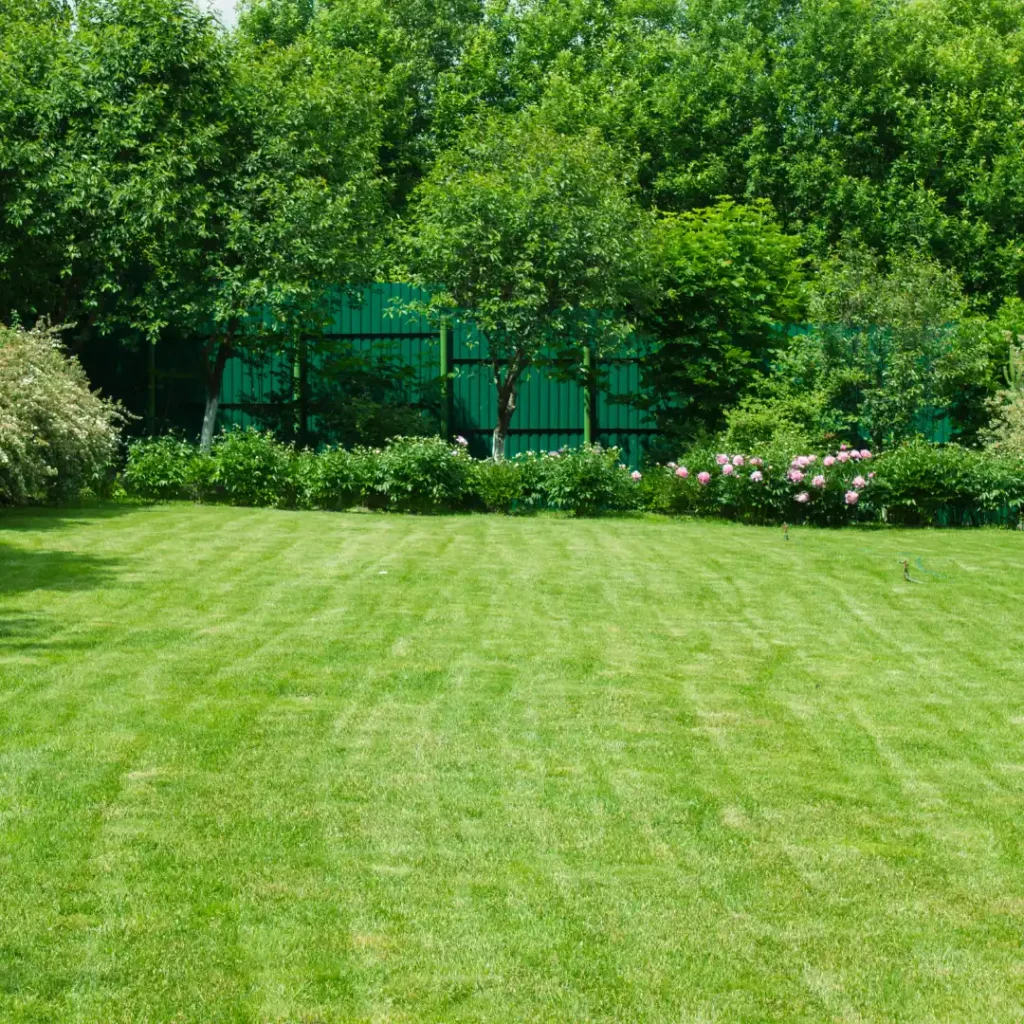
Fertilization adds nutrients back into the soil. Grass removes nutrients as it grows. Mowing removes clippings that would otherwise decompose and return nitrogen to the ground.
Three main nutrients are used in lawn fertilization:
Nitrogen (N) – Promotes leaf growth and green color.
Phosphorus (P) – Supports root development. Often low in Homestead soil.
Potassium (K) – Helps grass handle heat, drought, and disease.
Most Homestead lawns need a fertilizer with higher nitrogen and lower phosphorus unless a soil test shows otherwise. St. Augustine grass, the most common type in Homestead, responds well to a 16-4-8 or 15-0-15 blend.
Iron is also important. Homestead’s alkaline soil binds iron so grass cannot absorb it. Iron deficiency causes yellow blades with green veins. A fertilizer with added iron or a separate iron application corrects this.
Fertilizer Types Used for Lawn Fertilization Services
Two main types of fertilizer are available for lawn fertilization services. Each has different purposes.
Granular Fertilizer
Dry granules are spread using a broadcast or drop spreader. Granules sit on the soil surface and dissolve with water.
Advantages:
Slow-release formulas feed grass for 6 to 10 weeks.
Less risk of burning the lawn.
Easy to apply evenly.
Disadvantages:
Requires watering within 24 hours to activate.
Granules can stick to wet grass blades and cause burn spots.
Liquid Fertilizer
Concentrated fertilizer is mixed with water and sprayed onto the lawn.
Advantages:
Absorbed quickly through leaves.
Good for correcting specific deficiencies like iron.
No need for immediate watering.
Disadvantages:
Lasts only 2 to 4 weeks.
Higher risk of uneven application.
More expensive per application.
For Homestead lawns, granular slow-release fertilizer is the common choice for routine feeding. Liquid fertilizer is reserved for quick green-ups or spot treatments.
Fertilization Schedule for Homestead, FL
Homestead has a warm climate with grass growing from February through November. A standard fertilization schedule includes four applications per year.
Application 1 – Late February to Early March
Grass begins active growth.
Use a balanced fertilizer (16-4-8) with pre-emergent weed control.
This feeds the lawn while preventing summer weeds from germinating.
Application 2 – Mid-May to Early June
Temperatures regularly exceed 85°F.
Use a slow-release nitrogen fertilizer (19-0-6) with extra potassium.
Potassium helps grass handle summer heat and humidity.
Application 3 – Mid-August to Early September
Rainy season often depletes soil nutrients.
Use an iron-rich fertilizer (15-0-15) to restore color.
Check for fungus before applying.
Application 4 – Late October to Early November
Growth slows but roots remain active.
Use a low-nitrogen, high-potassium fertilizer (5-0-20).
This prepares grass for cooler winter months without pushing tender growth.
Fertilization is not recommended in December or January. Grass grows very slowly during these months. Applied fertilizer will either wash away or feed winter weeds instead of grass.
Signs Your Lawn Needs Fertilization Services
Certain visual signs indicate that a lawn requires fertilization. Homeowners can look for these symptoms before requesting a service.
Light green or yellow grass
Indicates nitrogen deficiency.
Lower leaves turn yellow first.
New growth is pale instead of dark green.
Slow growth after mowing
Grass takes more than 7 days to show new growth.
Mowing scars remain visible for days.
Lawns that once needed weekly mowing now need mowing every 10 to 14 days.
Thin or patchy areas
Soil lacks nutrients for full coverage.
Weeds begin filling empty spaces.
Walking paths or pet areas show bare spots.
Weeds outnumber grass blades
Weeds compete for the same nutrients.
Common Homestead weeds like dollarweed, sedge, and crabgrass thrive in low-nitrogen soil.
Fertilization alone will not kill existing weeds, but it helps grass compete.
Purple or red tint on grass blades
Indicates phosphorus deficiency.
More common in older Homestead lawns that have never received phosphorus.
A soil test confirms this before adding phosphorus.
If two or more of these signs are present, the lawn will likely benefit from a fertilization service.

How to Choose a Lawn Fertilization Service in Homestead
When comparing lawn fertilization services in Homestead, several factors help determine quality.
What fertilizer products are used
Ask for the specific N-P-K ratio (three numbers on the bag).
A quality service will know exactly what product is being applied.
Avoid services that use “generic” or “premium” without providing numbers.
Application method
Granular spreaders provide even coverage.
Liquid sprayers are acceptable for specific treatments but not for routine feeding.
Ask whether the service calibrates spreaders for each lawn.
Schedule transparency
A clear schedule of application dates should be provided.
Four applications per year is standard for Homestead.
Avoid services that push six or eight applications without explanation.
Weed control integration
Fertilization services may include pre-emergent weed control in spring.
Post-emergent weed control is usually an additional service.
Ask whether weed control is separate or combined.
Watering instructions
A professional service provides written watering instructions after each application.
Instructions should specify how long to water (typically 20 to 30 minutes per zone) and when (within 24 hours).
Pricing structure
Per-application pricing is common. Typical cost for a 5,000 sq ft lawn: $65 to $85 per application.
Annual programs with four applications: $240 to $300 total.
No contracts should be required. Pay per visit or pay upfront for the season.
Response to weather
Ask what happens if rain is forecast. A good service will reschedule rather than apply before heavy rain.
Ask about reapplication policy if unexpected rain occurs within 6 hours of application.
Frequently Asked Questions
Lawn and garden maintenance typically includes services like lawn mowing, edging, hedge trimming, weed control services, fertilization, aeration, and yard clean up. These services work together to keep your lawn healthy, green, and well-maintained throughout the year.
Most lawns benefit from a weekly lawn mowing service during the growing season. However, the frequency can vary depending on grass type, weather conditions, and growth rate. Regular grass cutting service helps maintain proper height and prevents weeds.
Weed control services are essential because weeds compete with grass for nutrients, sunlight, and water. Without proper weed removal service, weeds can quickly take over your yard and damage the overall health of your lawn.
The best time for lawn fertilizing depends on your grass type and climate. Generally, spring and fall are ideal seasons for applying lawn fertilizer service, as they promote strong root growth and improve lawn thickness.
Aeration is the process of creating small holes in the soil to allow air, water, and nutrients to reach the roots. It is a key part of lawn maintenance services because it reduces soil compaction and improves overall grass health.
You may need a yard clean up service if your lawn has excessive leaves, debris, overgrown grass, or neglected landscaping. Seasonal or one-time yard clean up helps restore your lawn’s appearance and health.
Lawn care prices can vary based on yard size, service type, frequency (weekly or monthly), and specific needs like hedge trimming, weed control, or lawn treatment services. Custom lawn care packages are often the most cost-effective option.
Lawn care focuses on the health of your grass, including fertilization, weed control, and treatments. Lawn maintenance includes routine tasks like lawn mowing, edging, and general yard maintenance to keep your lawn looking neat and tidy.